
Why Every Small Business Should Conduct an HR Risk Analysis in 2025
The average small business pays $85,000 defending a single wrongful termination lawsuit. For many, that can take years to recover financially, if ever. In a shifting legal landscape, a single HR misstep can threaten your entire organization.
HR Compliance and Small Business Health
Small businesses are often described as the backbone of society and fundamental to the entrepreneurial spirit. However, trends indicate that it is becoming increasingly complex to operate, and lawsuits disproportionately impact them.
One of the best ways small businesses can reduce liability is through regular HR compliance and risk analysis. Having clear and reliable policies helps small businesses with HR compliance while building trust with their employees.

Hiring and Onboarding
Did you realize that language in job postings, interview questions, and selection processes can unintentionally violate the Americans with Disabilities Act (ADA) and Equal Employment Opportunity (EEO) laws?

EEOC charges rose by 10% in 2023. This has not changed with the recent administration; it has become even more complex, and employers are facing new threats regarding discrimination claims.
Once hired, employees must receive proper onboarding that complies with federal, state, and local laws. These policies are required to cover wage notices, leave rights, harassment policies, and required documentation. Missing these steps can lead to fines or legal exposure.
HR Management
Ensuring that your policy manual is up to date and that your managers and employees adhere to policies and practices reduces the risk of litigation. For example, only 53% of small businesses offer sexual harassment training, despite wrongful termination defense costs averaging $85,000 and judgments reaching $500,000.
Additionally, changing laws must also be reflected consistently in policy as well as practice. Recent federal and state laws expand protections for pregnant employees and those with pregnancy-related complications. This includes accommodation both during and after pregnancy.
There is also increased scrutiny at the federal and state levels regarding data privacy and security. Protecting employee data, including medical information, is now a legal requirement. Small business data breaches cost an average of $120,000.
Wage and Hour Compliance
Wage and hour violations are among the most common lawsuits a small business can face and can carry heavy financial costs, particularly when businesses misclassify employees.
Wage and hour laws vary by state, and failure to comply can lead to back pay, penalties, and legal fees. For example, California imposes fines of $100–$200 per employee plus 25% of unpaid wages for late wage payments.
Payroll and Timekeeping
The Affordable Care Act (ACA) also impacts small businesses. Businesses with 50+ full-time employees face steep penalties if they don’t offer health coverage. In 2025, penalties are $2,900 per employee for not offering coverage and $4,350 per employee for inadequate coverage.
Compliance also impacts small businesses when employees are not at work. Many states now require paid sick leave or paid time off. For example, Minnesota and Illinois passed new sick and paid leave laws effective in 2024. Layered on top of federal FMLA rules, multi-state compliance is increasingly complex.
Keeping accurate payroll records and ensuring payroll policies and practices are up to date and regularly audited is critical. Payroll records must be retained for the required period under federal and state law. Errors or missing records can complicate audits or legal defense.
Compensation and Total Rewards Administration
Ensuring employees are paid in accordance with federal and state laws, while maintaining equity and pay transparency, can reduce the risk of litigation and also boost employee experience and satisfaction.
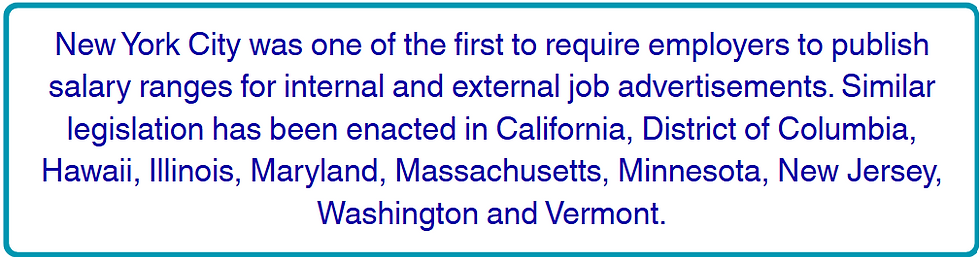
Pay transparency is becoming a significant topic in compensation discussions. Many states now require employers to post pay ranges in job ads. For example, Illinois’ law takes effect January 1, 2025, with fines of up to $10,000 for repeat violations.
Retirement regulations are becoming more widespread at the state level. Over a dozen states now mandate employer-facilitated retirement programs.
A common mistake for many businesses is waiting too long between compliance reviews. Small businesses should regularly review employee handbooks, pay policies, and benefits structures to ensure alignment with changing regulations, reduce risk, and increase employee satisfaction and engagement.
Employers should also conduct periodic market analyses and equity reviews to ensure pay practices are compliant and competitive.
Take Action to Reduce Risk Today
Small businesses often lack a dedicated HR compliance staff, and many do not have the level of need to employ a permanent HR professional.
Proactive HR risk analysis may be a more cost-effective measure to protect your small business. These measures don’t just mitigate risk; they can also protect your mission and strengthen business foundations, including a positive employer brand.
Start by using this free HR Risk Analysis Checklist to ensure you have the right policies and procedures in place to support your small business, or schedule a free 30-minute strategy session to learn how expert HR guidance can help you build sustainable, compliant practices.


Comments